


Flexible Composite Graphite Bipolar Plate Extrusion Production Line
Keywords:
Flexible Composite Graphite Bipolar Plate Extrusion Production Line
Category:
Related products
Product Description
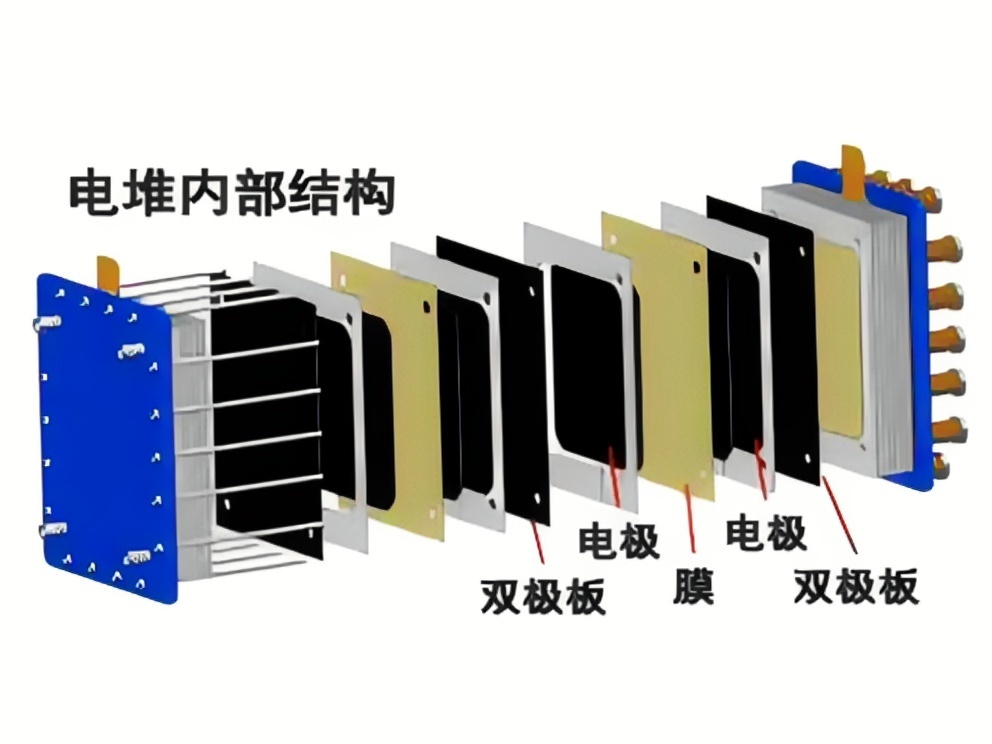
Bipolar plates are primarily categorized into graphite bipolar plates (including rigid graphite and flexible graphite types), composite‑material bipolar plates, and metal bipolar plates. Rigid graphite is produced through mechanical grinding and machining; it exhibits excellent corrosion resistance and electrical conductivity, making it suitable for fuel cell applications. However, this type of plate is brittle, lacks toughness, and incurs high manufacturing costs, rendering it unsuitable for mass production. In contrast, a flexible graphite bipolar plate has been developed abroad, offering high electrical conductivity and superior corrosion resistance while maintaining adequate toughness. It can be manufactured via compression molding in large batches, making it a highly desirable choice for fuel cells. Nevertheless, the raw material strength of flexible graphite is limited, resulting in relatively thick plates—typically 2 to 3 mm in thickness—which increases the overall volume of the fuel cell stack and hinders improvements in volumetric power density.
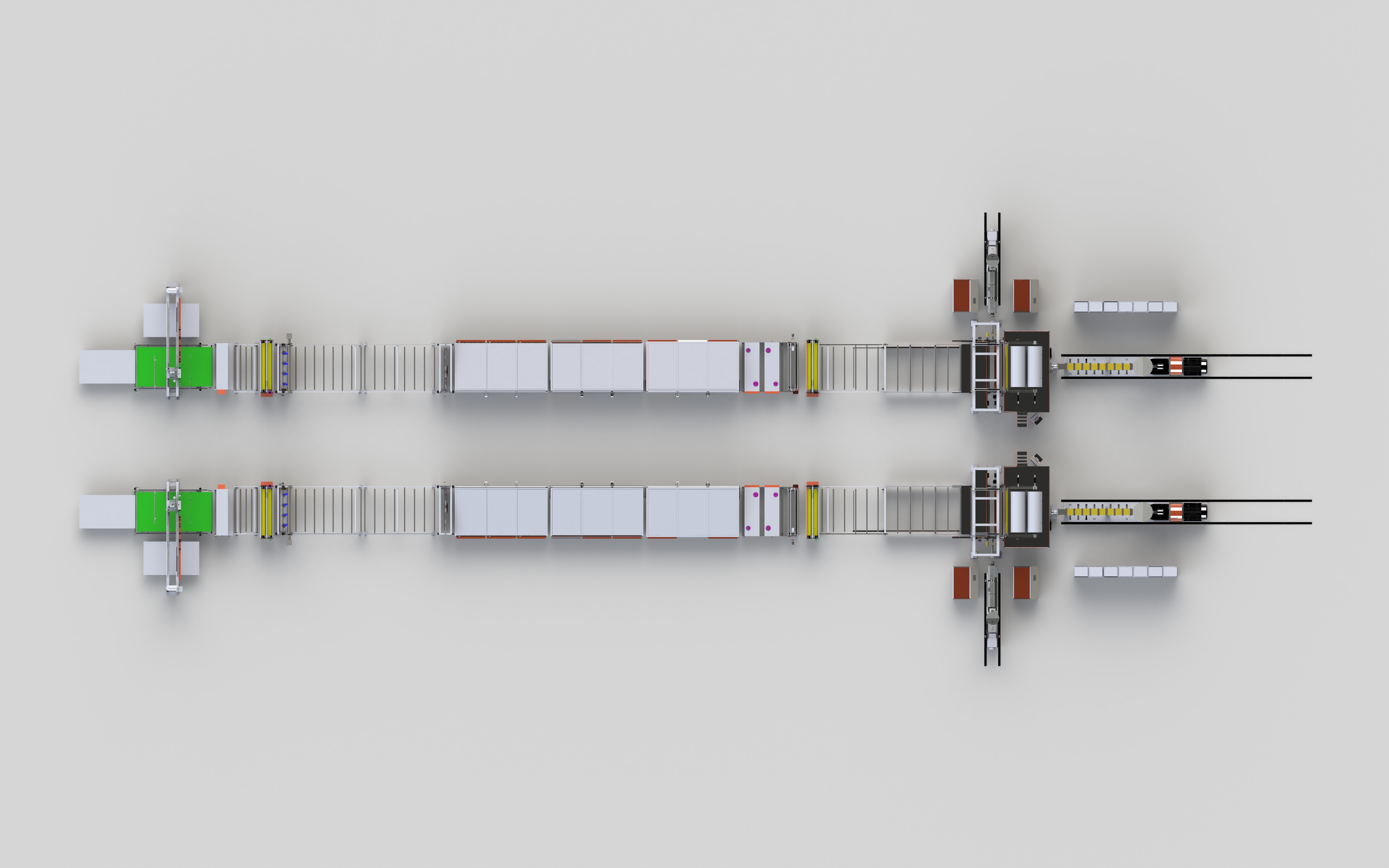
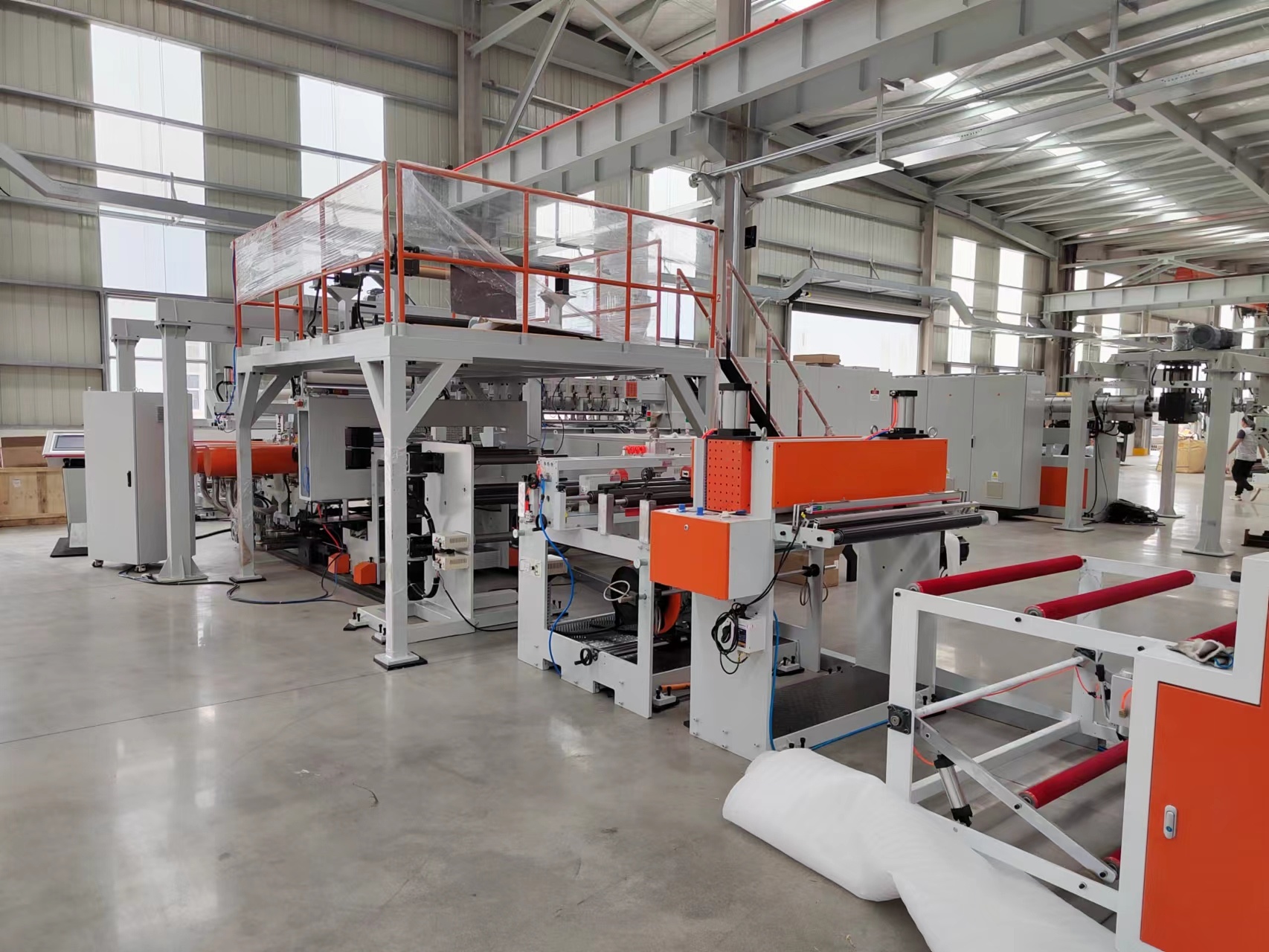
In response to market trends and customer needs, Jinwei Company has developed an extrusion production line for flexible composite graphite bipolar plates. This equipment delivers high output, with a high carbon‑powder content and excellent electrical conductivity, while maintaining stable operation and a high degree of automation. The manufacturing process is as follows: plastic pellets, carbon powder, and relevant additives are thoroughly blended in a mixer; the resulting mixture is then fed into an extruder via a feeder. The extruder melts the material and extrudes the bipolar plates through a die, after which a three‑roll calender cools and shapes the sheets. A tempering oven is subsequently used to ensure uniform thickness and dimensional stability. Further processing—including edge trimming and electrostatic discharge—completes the preparation, and the finished plates are finally wound up using a recoiler.
Graphene exhibits excellent optical, electrical, and mechanical properties, holding significant application potential in materials science, micro‑ and nanofabrication, energy, biomedicine, and drug delivery, and is regarded as a revolutionary material of the future. Graphene membranes possess high electrical and thermal conductivity; moreover, incorporating micro‑wrinkled structures into graphene films provides ample stretchability under tensile and bending deformations, endowing the material with exceptional flexibility. Employing graphene films to fabricate bipolar plates for fuel cells can substantially transform the multifaceted performance characteristics of these plates, greatly enhancing their practical applicability.
Application areas
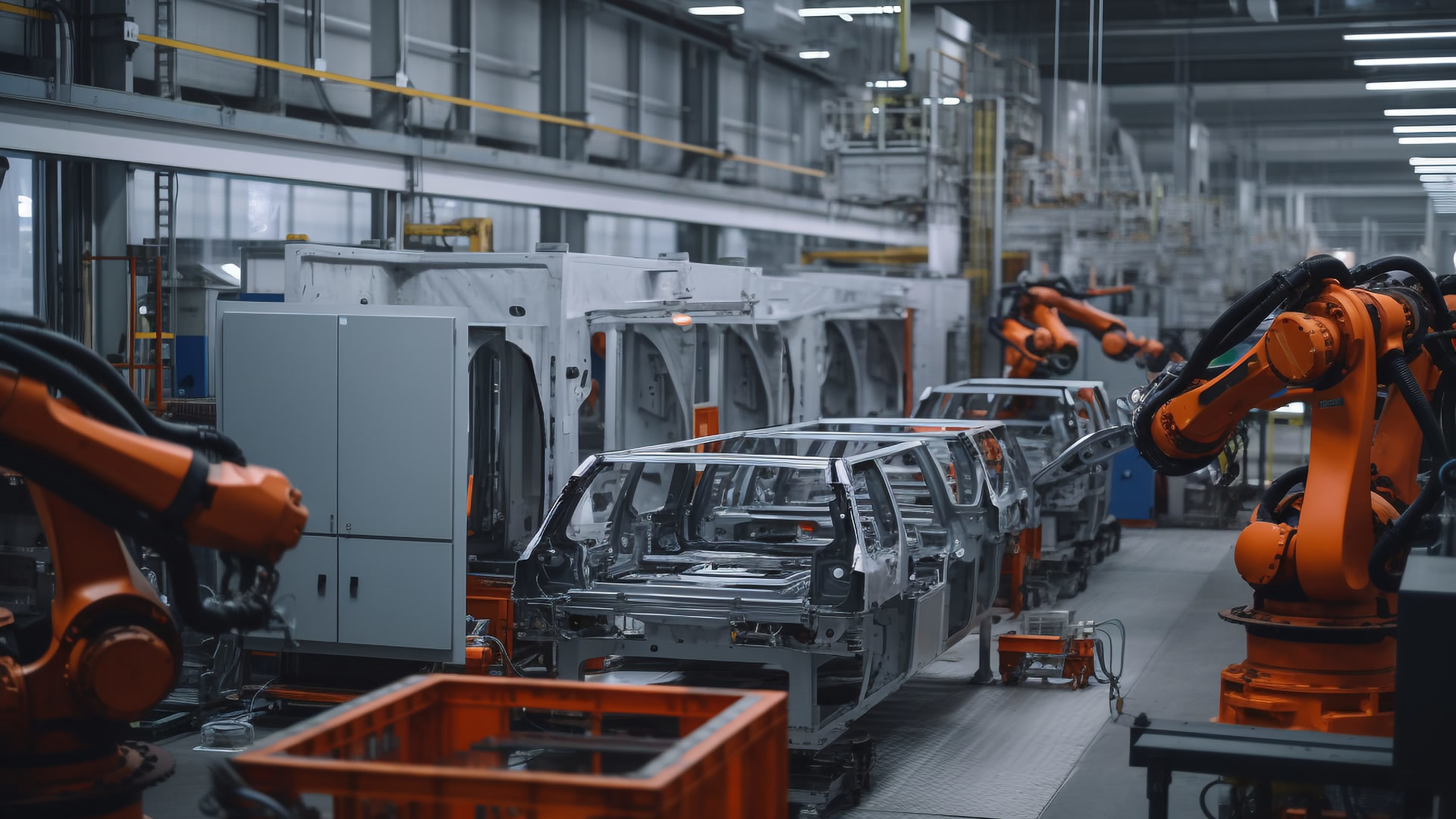
Automotive sector
This is placeholder text.
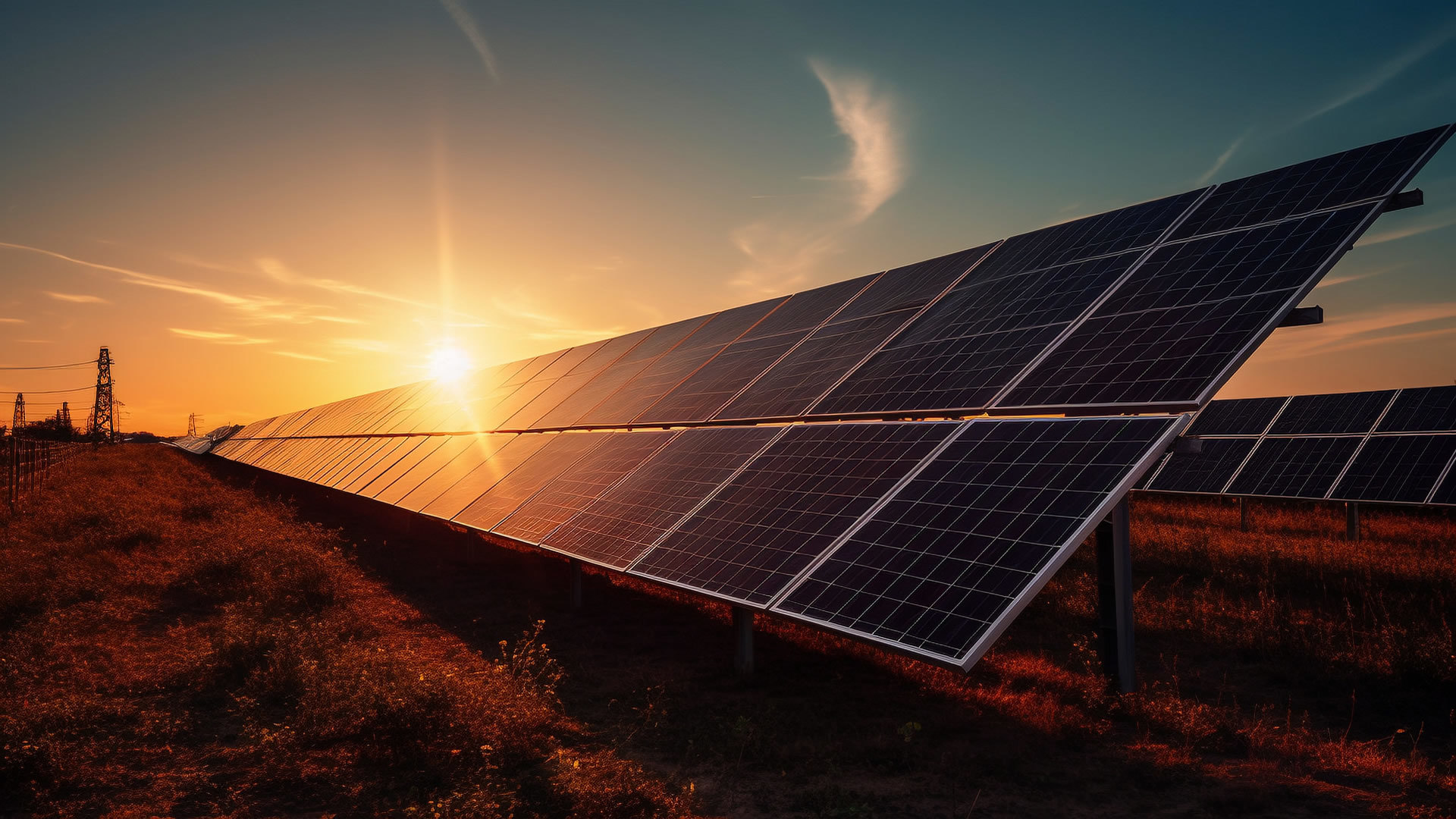
Photovoltaic sector
This is placeholder text.
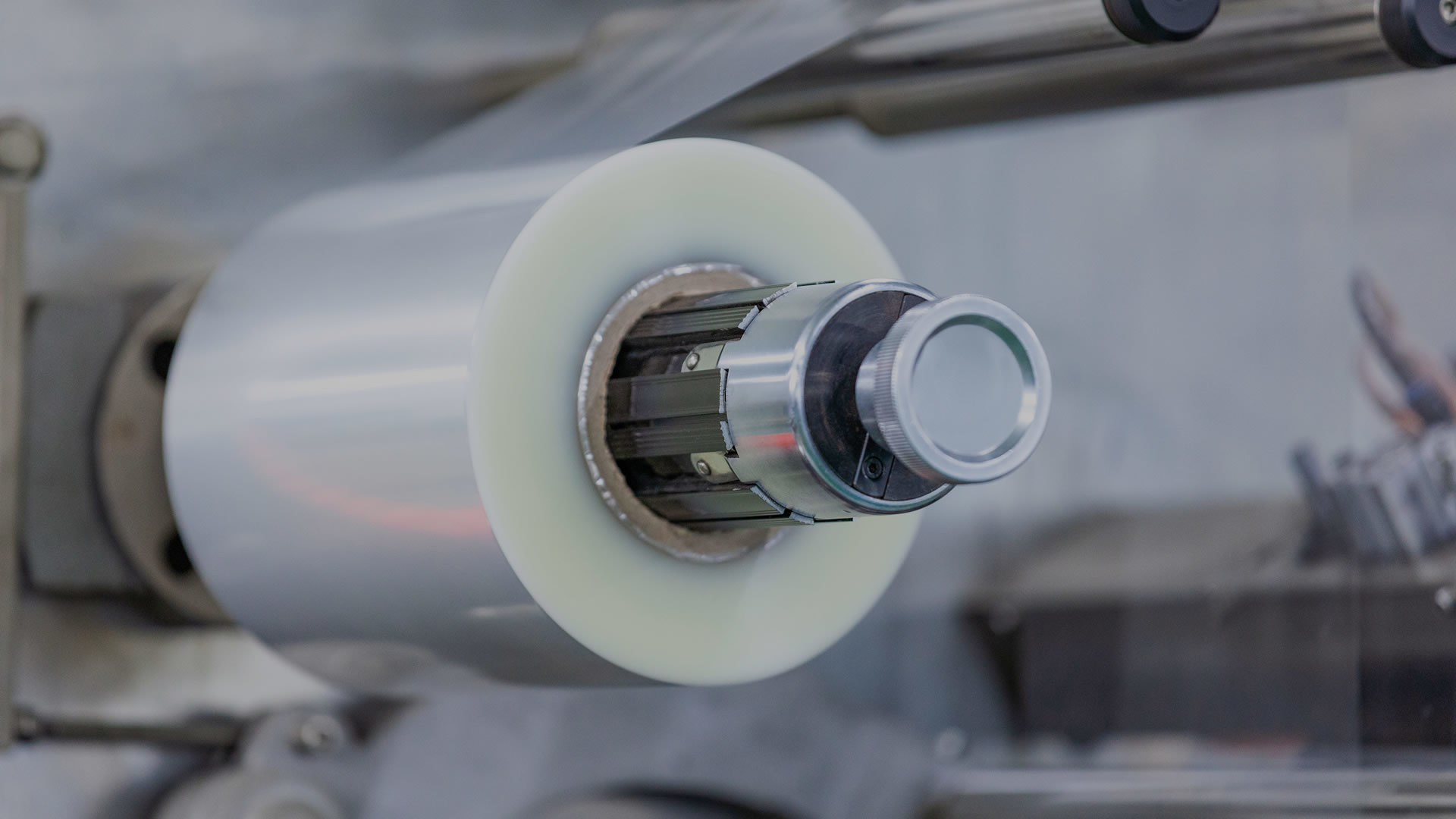
Packaging field
This is placeholder text.
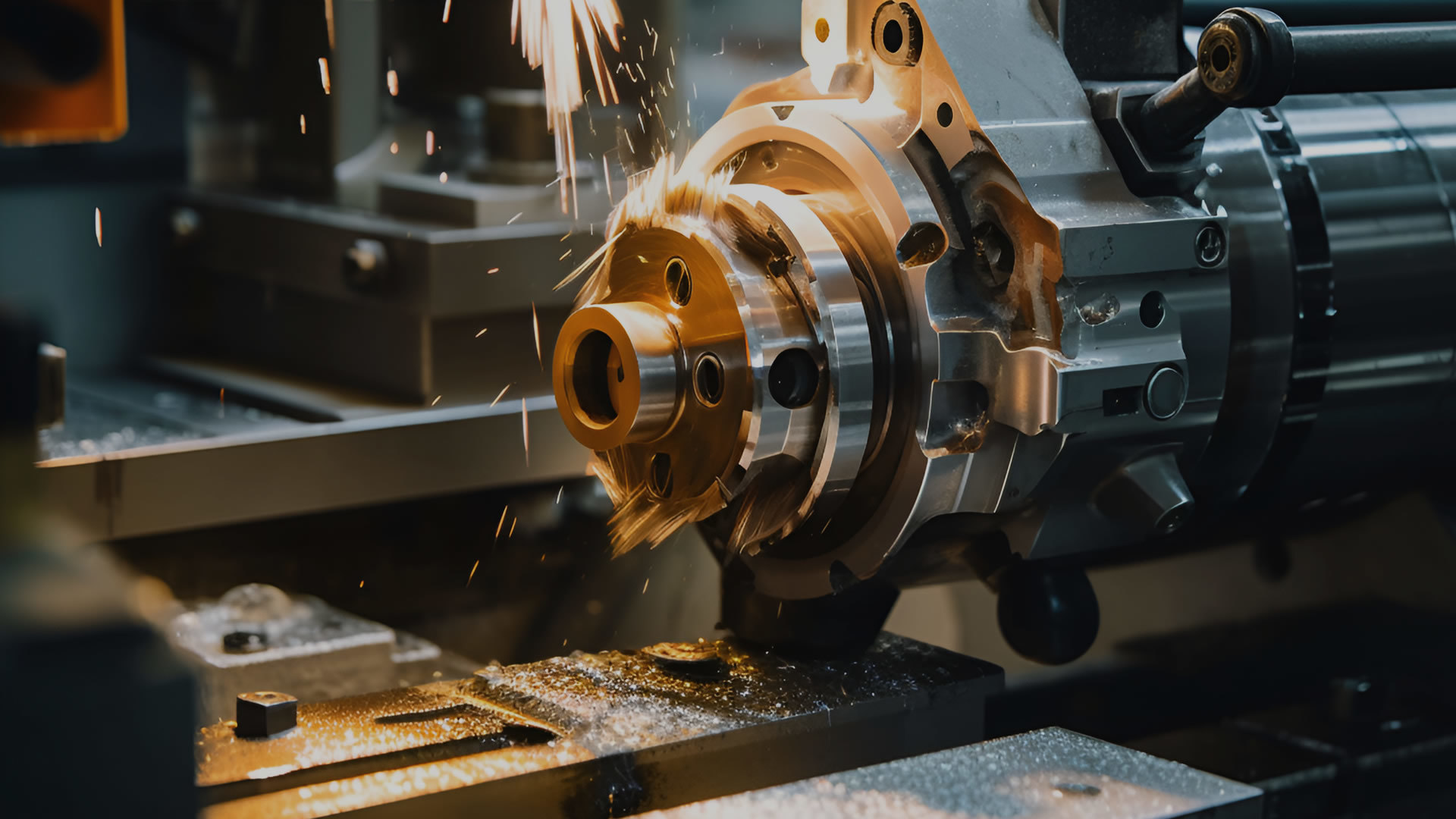
Mechanical field
This is placeholder text.
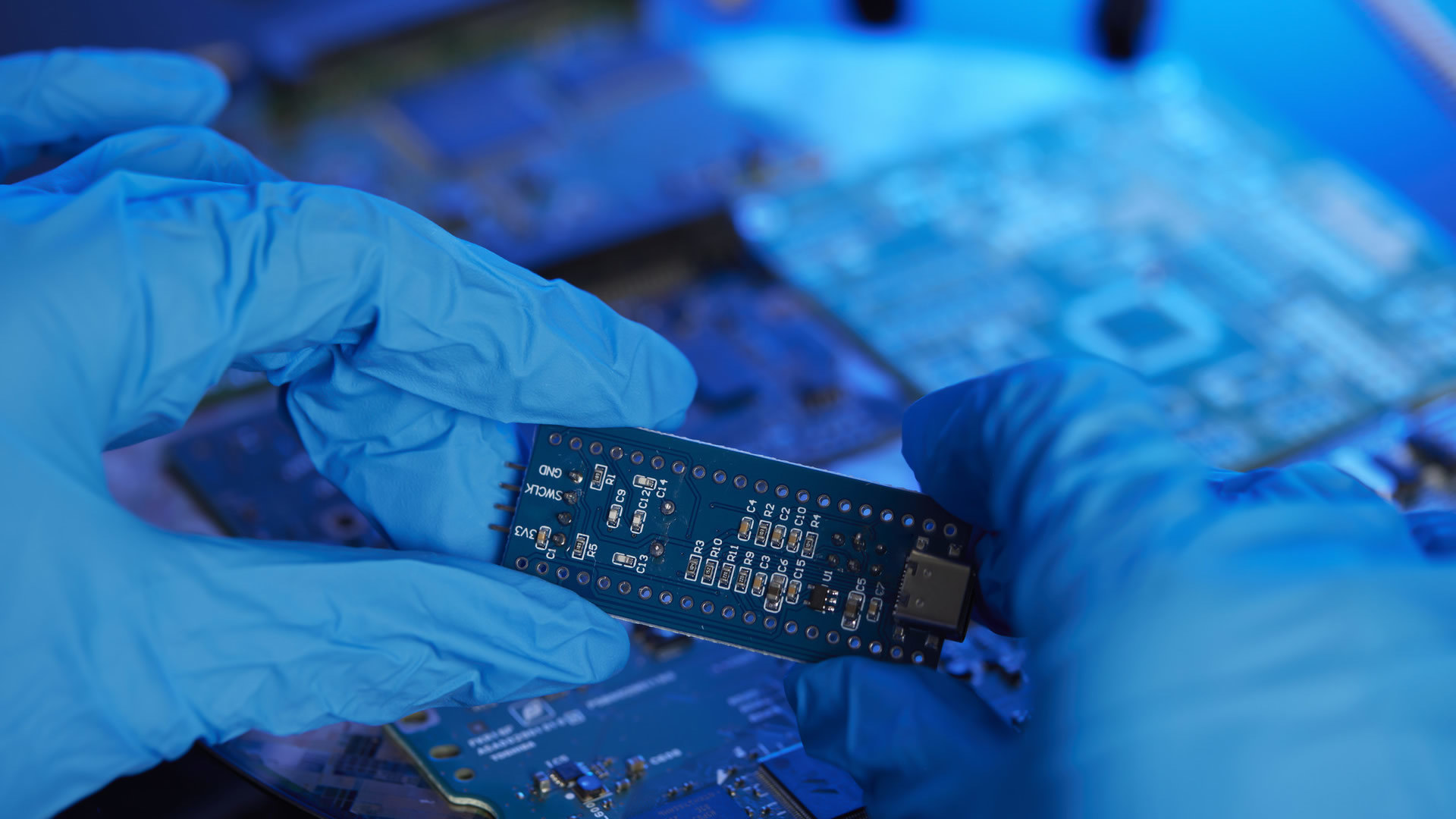
More fields
This is placeholder text.
Product Inquiry

Company email:info@gwell.cn
Nantong Company Address: No. 69, Hongrong Road, Chongchuan District, Nantong City
Suzhou Company Address: No. 16, Donglin Lianfa Industrial Park, Guojia Road, Chengxiang Town, Taicang, Suzhou
Yancheng Company Address: No. 90, Shenfeng Road, Dafeng District, Yancheng City
Shanghai Company Address: Room 2205A, 22nd Floor, No. 28 Maji Road, China (Shanghai) Pilot Free Trade Zone
Nanjing Company Address: No. 8, Huyue East Road, Longchi Subdistrict, Liuhe District, Nanjing City, Jiangsu Province

Browse on mobile