


XPS Extruded Insulation Board Production Line (CO2 Foaming)
Keywords:
XPS Extruded Insulation Board Production Line (CO2 Foaming)
Category:
Related products
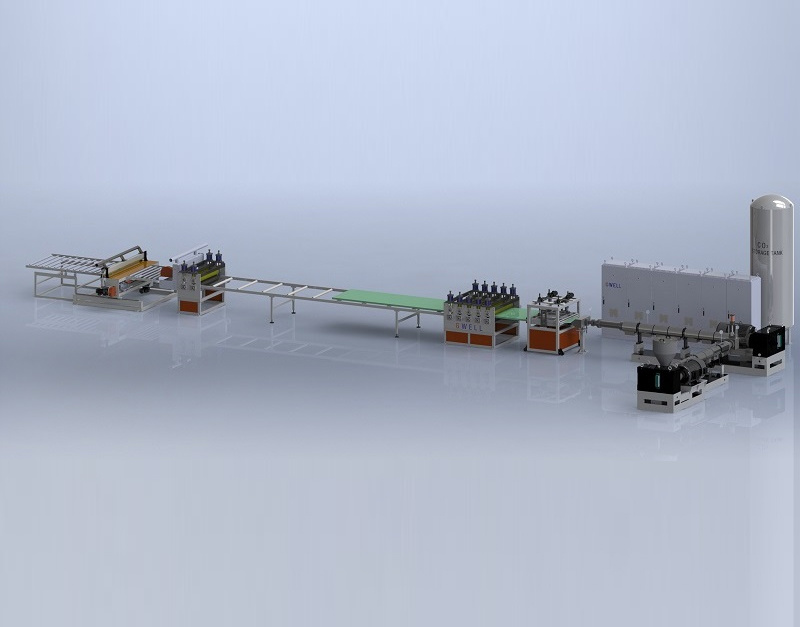
Product Description
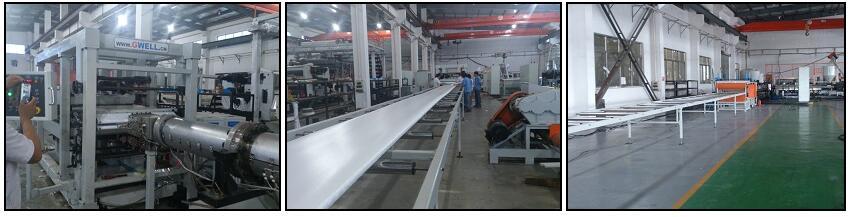
XPS extruded polystyrene foam board (commonly referred to as XPS) production lines are generally categorized into two types: carbon dioxide‑based foaming and fluorocarbon‑based foaming. Jinweier’s complete production line for carbon dioxide‑foamed XPS extruded boards employs an all‑carbon dioxide foaming process. By fully replacing traditional fluorinated blowing agents with a “CO2 composite blowing agent,” this technology significantly reduces production costs while offering greater environmental benefits and supporting sustainable development. The production line operates quickly and smoothly, producing XPS boards with widths ranging from 600 mm to 1200 mm and thicknesses between 20 mm and 60 mm. The average density is maintained at 30–45 kg/m³, and the homogeneous closed‑cell foam structure ensures excellent dimensional stability, high compressive strength, and low water absorption. A key advantage of the CO2‑foamed XPS production line is its two‑stage CO2 blowing agent injection system, which precisely meters and delivers carbon dioxide to the extruder, ensuring stable and consistent operation across the entire line. Jinweier offers two types of XPS equipment: single‑screw tandem extruders and co‑rotating parallel twin‑screw tandem extruders. Available configurations include φ135/φ150 single‑screw tandem extruders and φ75/φ150 co‑rotating parallel twin‑screw tandem extruders; additionally, a φ95/φ250 co‑rotating parallel twin‑screw tandem extruder has been developed. Co‑rotating twin‑screw extruders excel in material mixing efficiency, enabling the processing of multi‑component formulations. Board forming is achieved through vacuum negative‑pressure molding. Jinweier’s newly developed vacuum‑forming unit, while maintaining superior board quality, can reduce product density, thereby lowering manufacturing costs. Our company is capable of seamlessly switching between carbon dioxide‑based and fluorocarbon‑based foaming processes, with proven technological maturity. We also provide retrofitting services to convert existing fluorocarbon‑based equipment into CO2‑foamed systems.
Currently, most insulation boards on the market use fluorocarbons as blowing agents, which can cause severe damage to the ozone layer. Suzhou Jinwei’er Machinery Co., Ltd. has developed an environmentally friendly XPS extruded‑foam insulation board production line that boasts high automation, rapid production speeds, and responsive operation, all at a price lower than comparable foreign‑made lines. The extruded‑foam insulation boards produced with this equipment are green, eco‑friendly building materials. They not only offer consistently low thermal conductivity, excellent dimensional stability, and superior weather resistance, but also feature uniform foaming, fine cell structure, high compressive strength, moisture resistance, and non‑absorbent properties, making them easy to install and transport—qualities that have earned them widespread acclaim from users.
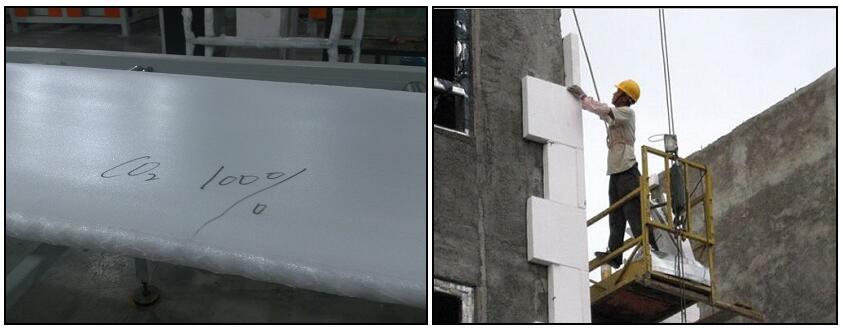
XPS extruded polystyrene foam board (commonly referred to as XPS) features a highly effective closed-cell honeycomb structure and is currently one of the leading insulation materials on the market. It is manufactured by granulating recycled EPS polystyrene boards as the primary raw material, followed by extrusion foaming, shaping, traction, and cutting. In terms of density, water absorption, thermal conductivity, and vapor permeability, XPS outperforms other types of board‑type insulation materials. Consequently, it boasts excellent strength, light weight, impermeability to air, corrosion resistance, aging resistance, and cost‑effectiveness, making it widely applicable in roof insulation and thermal‑break systems; wall insulation—both interior and exterior—for cold storage facilities, barracks, grain warehouses, and residential buildings; ground‑level construction such as airport runways and plazas; civil engineering projects for highways and railways; and partitioning systems in apartments, office buildings, factories, and other structures.
Performance Features:
1. Thermal insulation and heat preservation
2. High-strength compression resistance
3. Hydrophobic and moisture-resistant
4. Lightweight and easy to use
5. Excellent stability and corrosion resistance
XPS Extruded Insulation Board Production Line Specifications (For details, please consult a sales engineer)
| Aircraft model | Single-screw GWS65/90 | Single-screw GWS120/150 | Single-screw GWS150/200 | R-407A with GWP of 75/150 | Flat double GWP95/250 |
| Product width | 600mm;900mm | 600mm;900mm;1200mm | 600mm;900mm;1200mm | 600mm;900mm;1200mm | 900mm;1200mm |
| Product thickness | 20mm - 60mm | 20mm - 60mm | 20mm - 60mm | 20mm - 60mm | 20mm - 60mm |
| Extrusion output | 100KG/H - 150KG/H | 200KG/H - 300KG/H | 300KG/H - 550KG/H | 450KG/H - 650KG/H | 800KG/H - 1000KG/H |
| Foam volume | 100 m³/24 h - 150 m³/24 h | 150 m³/24 h - 250 m³/24 h | 300 m³/24 h - 400 m³/24 h | 350 m³/24 h - 450 m³/24 h | 650 m³/24H - 800 m³/24H |
Application areas
Automotive sector
This is placeholder text.
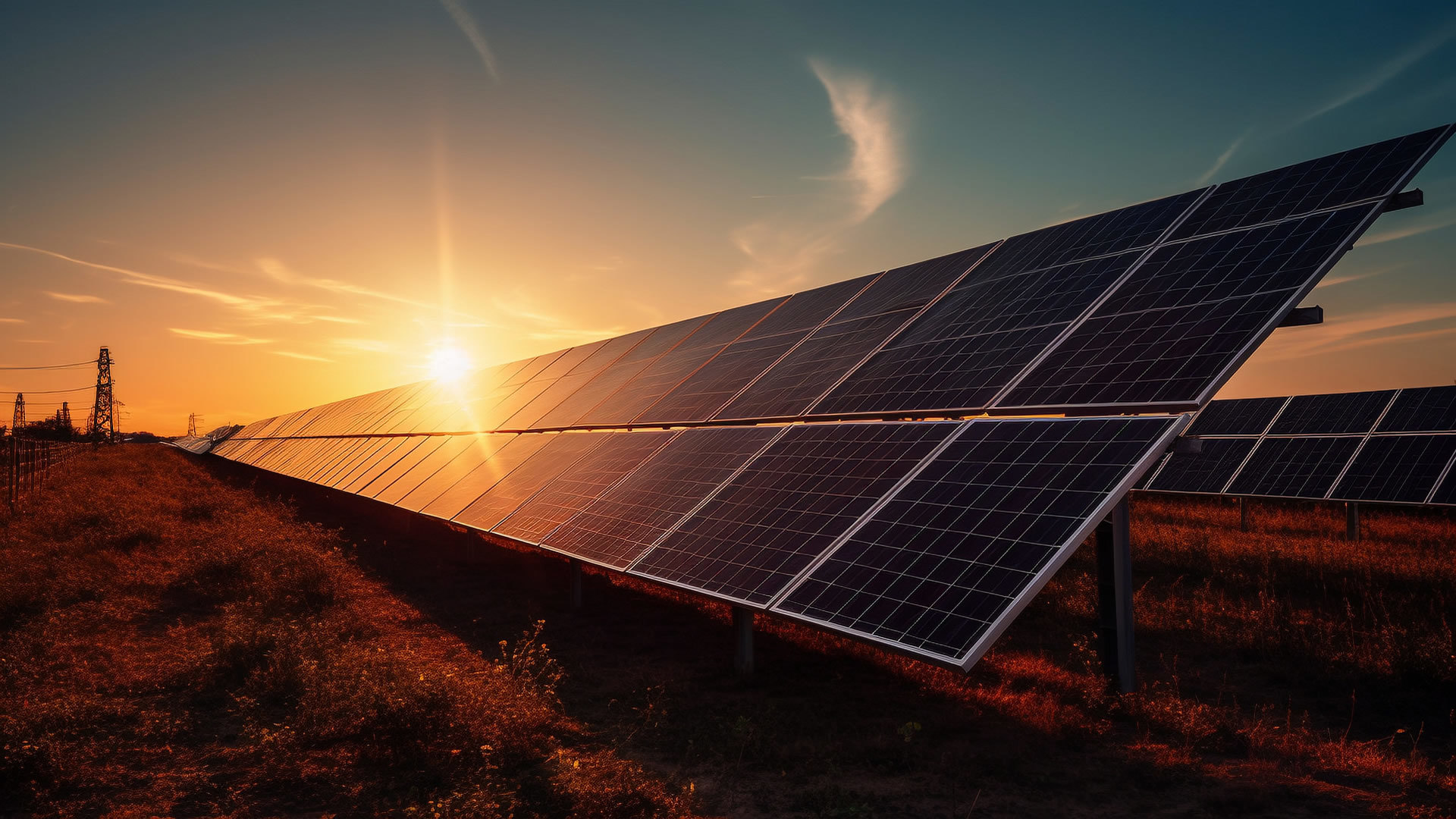
Photovoltaic sector
This is placeholder text.
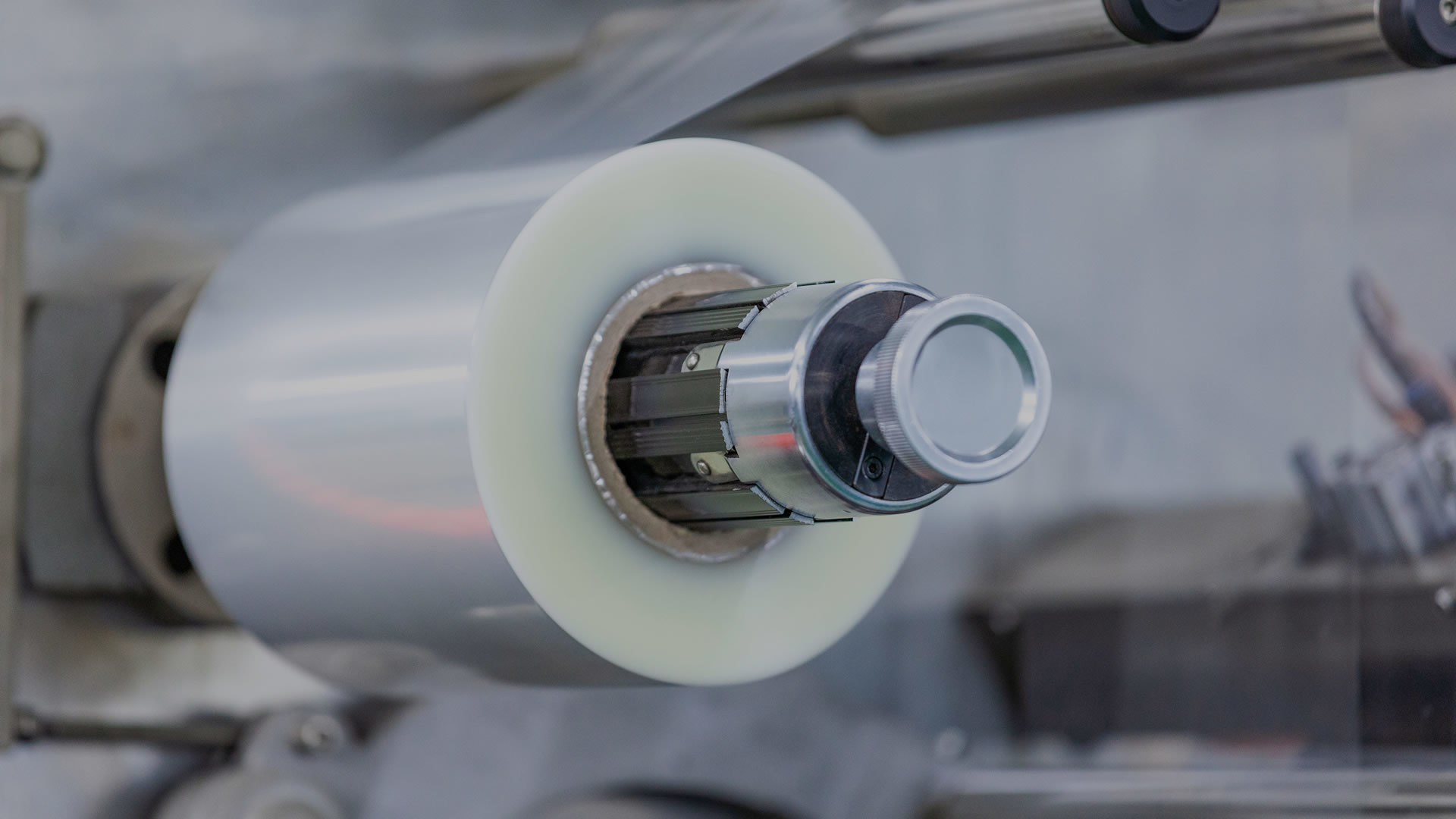
Packaging field
This is placeholder text.
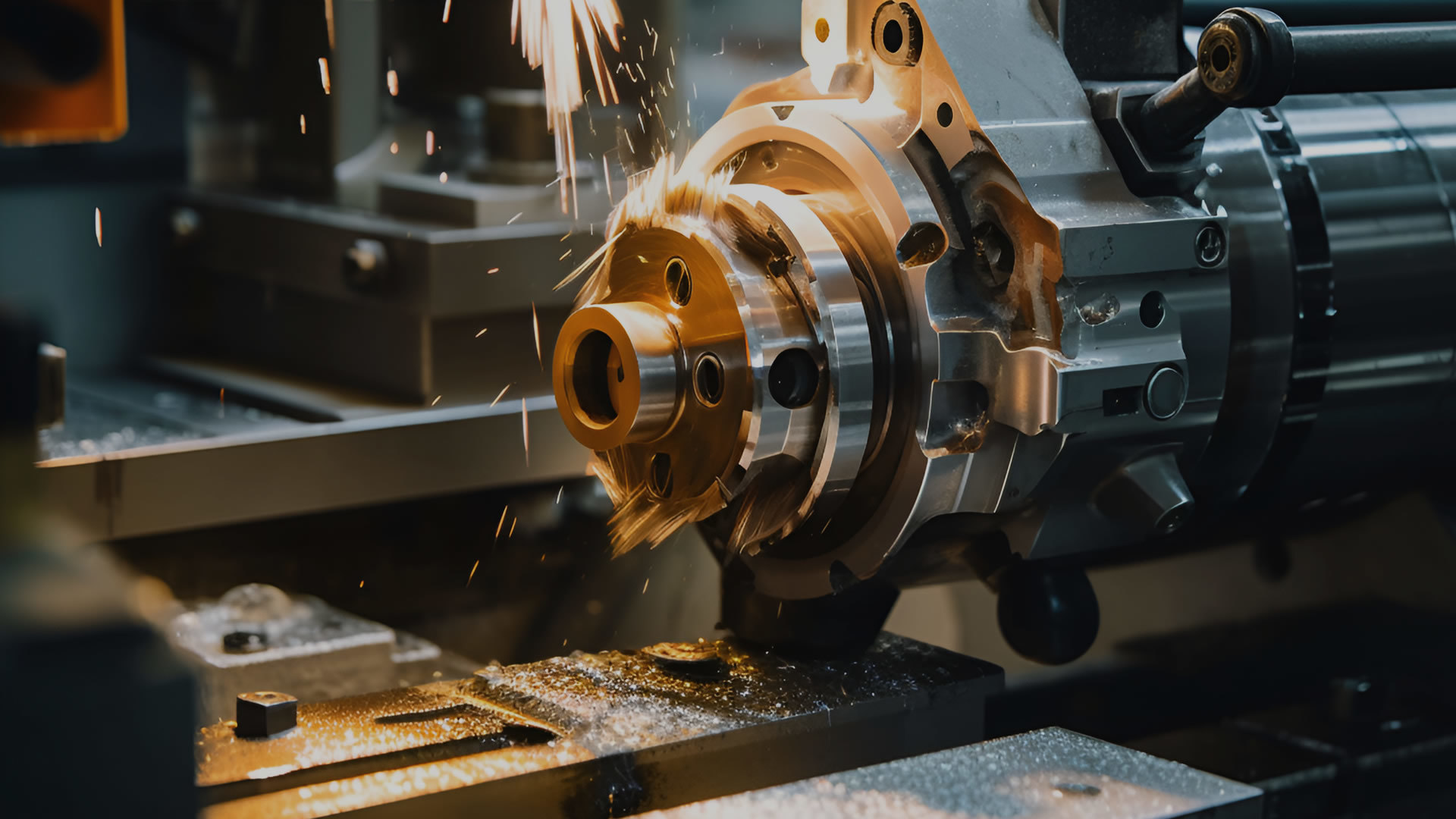
Mechanical field
This is placeholder text.
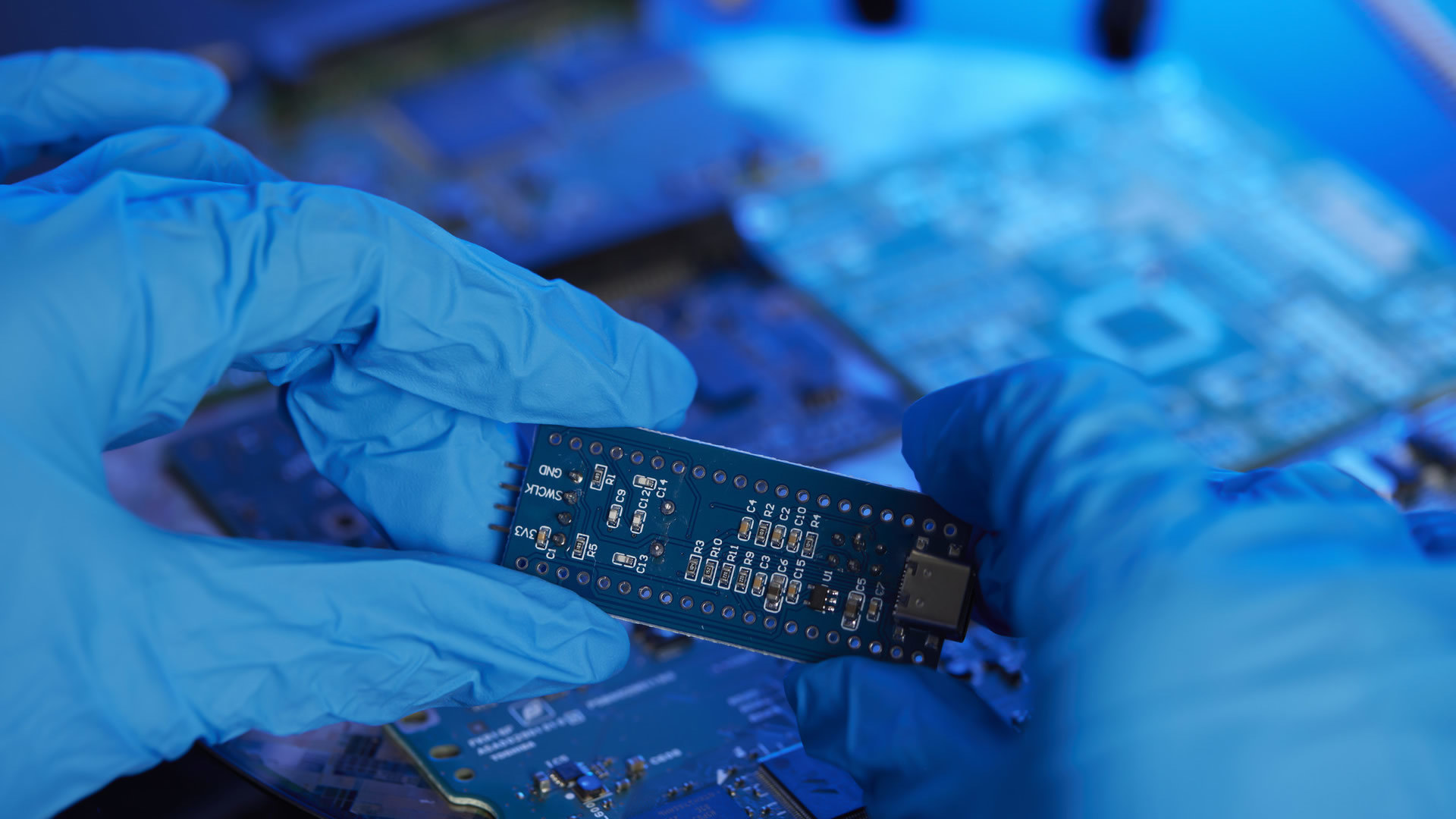
More fields
This is placeholder text.
Product Inquiry

Company email:info@gwell.cn
Nantong Company Address: No. 69, Hongrong Road, Chongchuan District, Nantong City
Suzhou Company Address: No. 16, Donglin Lianfa Industrial Park, Guojia Road, Chengxiang Town, Taicang, Suzhou
Yancheng Company Address: No. 90, Shenfeng Road, Dafeng District, Yancheng City
Shanghai Company Address: Room 2205A, 22nd Floor, No. 28 Maji Road, China (Shanghai) Pilot Free Trade Zone
Nanjing Company Address: No. 8, Huyue East Road, Longchi Subdistrict, Liuhe District, Nanjing City, Jiangsu Province

Browse on mobile